Landowners across western Pennsylvania face several budgeting challenges when planning a real estate project. The first step is usually to evaluate land-clearing needs to set the stage for further development.
ClearPath Land Management works with every client to explain how the significant cost variables work together on local projects. Let’s look at how vegetation, terrain, access, environmental regulations, and debris handling shape pricing so you’ll have a strong foundation for Pennsylvania land clearing cost estimation.
Understand How the Project Footprint Shapes Every Budget
Tract size influences nearly every land development decision. Larger areas usually reduce cost per acre because crews remain productive once equipment reaches the ground. Smaller sites sometimes absorb minimum charges due to mobilization requirements.
When you clearly define your clearing limits, you improve accuracy for acreage clearing expenses in Pennsylvania and help your provider deliver a detailed quote. Include driveways, home sites, yard space, and utility corridors in your footprint so your calculations reflect the actual disturbance area.
Evaluate Vegetation Density Before You Call a Contractor
Western Pennsylvania includes open brush, scattered softwoods, and dense hardwood stands with heavy undergrowth.
When you walk your property, pay attention to tree diameter, species mix, stump conditions, and brush thickness. These details influence equipment selection and determine how long a crew needs to safely open space.
What Vegetation Clues Tell You About Project Difficulty
Heavy vines slow machines. Thick undergrowth hides stumps. Tight spacing reduces maneuverability. Mature hardwoods increase stump-removal time. Light vegetation allows fast progress and fewer equipment passes.
Every one of these variables influences land clearing cost factors, so accurate observation during your first review supports a better budget.
Identify Terrain Conditions That Influence Productivity
Terrain shapes clearing efficiency across western Pennsylvania. Rolling slopes, rocky shelves, and damp soils create natural challenges that slow progress. Shallow bedrock limits root extraction and requires careful excavation. Wet spots trap equipment and force schedule adjustments.
When you note these conditions early, you understand why pricing varies between neighboring parcels and why different contractors assess site difficulty differently.
How Hills, Rocks, and Soil Conditions Affect Your Clearing Plan
Steep slopes reduce traction and increase safety considerations. Rocky ground requires strategic digging and slower push cycles. Soft zones require mats or seasonal timing.
Natural terrain elements influence productivity and help you understand why land clearing in Pennsylvania varies widely between ridge tops, hollows, and lowland fields across western counties.
Examine Access Challenges That Increase Labor and Equipment Time
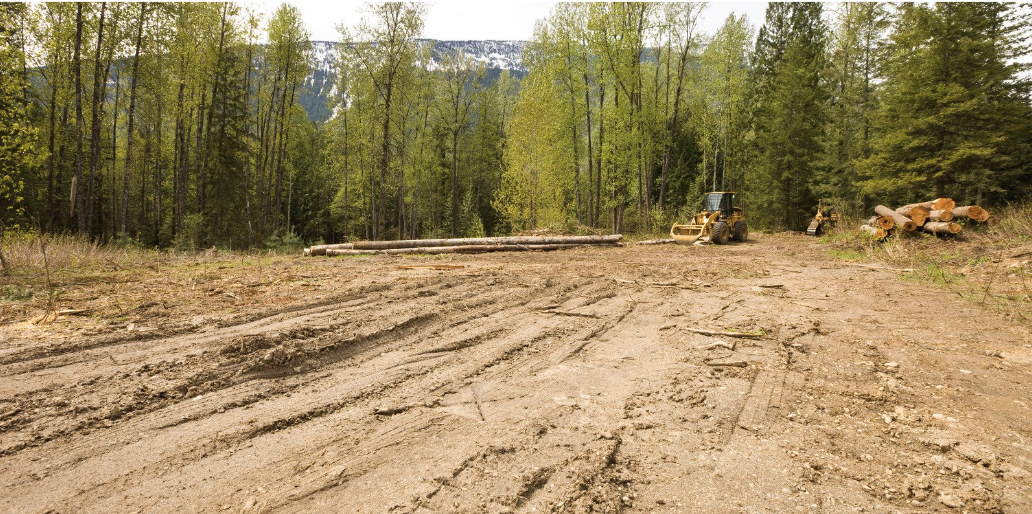
Access issues influence the cost more than most landowners expect. Narrow gates, weak driveways, and long distances from the road limit machine size and slow debris handling.
When you improve access routes before work begins, you reduce delays and avoid extra travel charges. Good access also creates staging areas for logs, brush, and equipment, which supports more efficient site preparation and land clearing services.
Here are helpful access considerations:
- Confirm gate width for skid steers, excavators, or mulchers
- Identify low overhead wires, soft shoulders, or tight turns
- Note travel distance from the road to the clearing zone
Decide How You Want Crews To Handle Trees, Stumps, and Brush
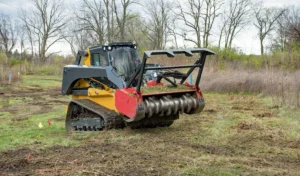
Material handling shapes a large portion of the total cost. Forestry mulching typically lowers hauling expenses and speeds production. Traditional cut-and-haul methods create a cleaner slate for construction but increase trucking and disposal fees. Stump removal adds cost when you prepare for structural foundations, driveways, or utilities.
When you align debris handling with project goals, you’ll help avoid mid-project changes and maintain predictable budgeting.
Understand Environmental Rules That Affect Scheduling and Cost
Pennsylvania regulations require erosion and sediment controls for many land-disturbing activities. If your work exceeds one acre or crosses wet areas, you may need specific plans, approvals, or environmental best practices. These requirements add engineering, materials, and inspection costs.
When you identify streams, wetlands, or floodplain boundaries early, you avoid delays and maintain compliance as work progresses.
Why Environmental Awareness Supports Accurate Cost Planning
Local rules protect water quality and regulate disturbance near sensitive areas. When you include these requirements in your budget, you create a realistic plan and help contractors deliver consistent results without surprises or compliance issues.
Compare Bids Only After You Standardize Project Scope
Making sure you have apples-to-apples bids improves your budgeting and prevents misunderstandings. When every bidder prices the same boundaries, vegetation requirements, stump handling expectations, and debris strategies, you make informed comparisons.
Consistency strengthens planning accuracy and supports effective decision-making across all phases of your project.
Firm Up Your Budget With a Professional Land Clearing Consultation With ClearPath Land Management
When you want clear budget expectations and dependable solutions for your site, contact ClearPath Land Management at (412) 618-0432 or contact us online to get started on a quote. Our experienced team helps western Pennsylvania landowners evaluate vegetation, terrain, access conditions, and environmental requirements so every step reflects expert guidance tailored to your property.